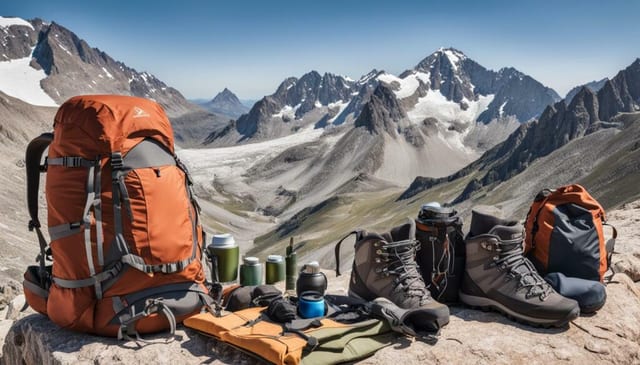
Start with the Essentials
Boots matched to your terrain, a pack with the proper capacity, and a layering system that handles your worst likely weather — that’s the core kit. Everything else builds on these three.
Why Adventurers Choose Summit
Expert Curated
Certified Guides
Free Shipping
Honest Advice
Choosing Your Footwear
Trail runners suit fast-moving hikers on well-maintained paths. Day hiking boots offer more ankle support and waterproof membranes for varied terrain.
Backpacking boots add full ankle support and a stiffer midsole for heavy multi-day loads. Approach shoes bridge trail and rock with sticky soles built for scrambling.
Hiking Gear FAQ
How do I break in new boots?
Wear them for short walks first, incrementally increasing distance over two to three weeks. Never debut new boots on a long trip.
What’s the right pack size for a day hike?
18–25 litres covers most day hikes. If you’re adding extra layers, a camera, or first aid gear, lean toward 25 litres.
Do I need trekking poles for hiking?
Not always — but they help significantly on long descents and uneven terrain. If your knees complain on downhills, poles are a worthwhile addition.
How do I layer for variable weather?
Base layer (moisture-wicking), mid layer (insulating), outer layer (wind and waterproof). Add and remove as conditions change — never wait until you’re cold.
Another question
Answer answer
Ready to Head Out?
Talk to our experts. Get personalized gear recommendations. Plan your next adventure.
Footer
Summit Outdoor Adventures — 412 Evergreen Way, Portland OR — hello@summitoutdoor.com